14 Years of Casey & Fox: what running an interior design business has really taught me
This month, Casey & Fox turns 14.
Even typing that feels a bit surreal.
Fourteen years is no small thing for any small business, never mind one in a creative industry, where the work is personal, the economy is unpredictable, and the number of hats you end up wearing is frankly ridiculous. It has made me stop and think, not just about the projects themselves, but about everything that has gone into building this business over the years. What I have learnt. What surprised me. What I would do differently. And what I still feel quietly proud of.
When most people think about interior design, they picture the enjoyable bits. Beautiful schemes. Gorgeous fabrics. Paint colours. Clever layouts. Lovely lighting. The final reveal when everything comes together and a home finally feels right.
And yes, those parts are wonderful.
But running an interior design business is another matter entirely.
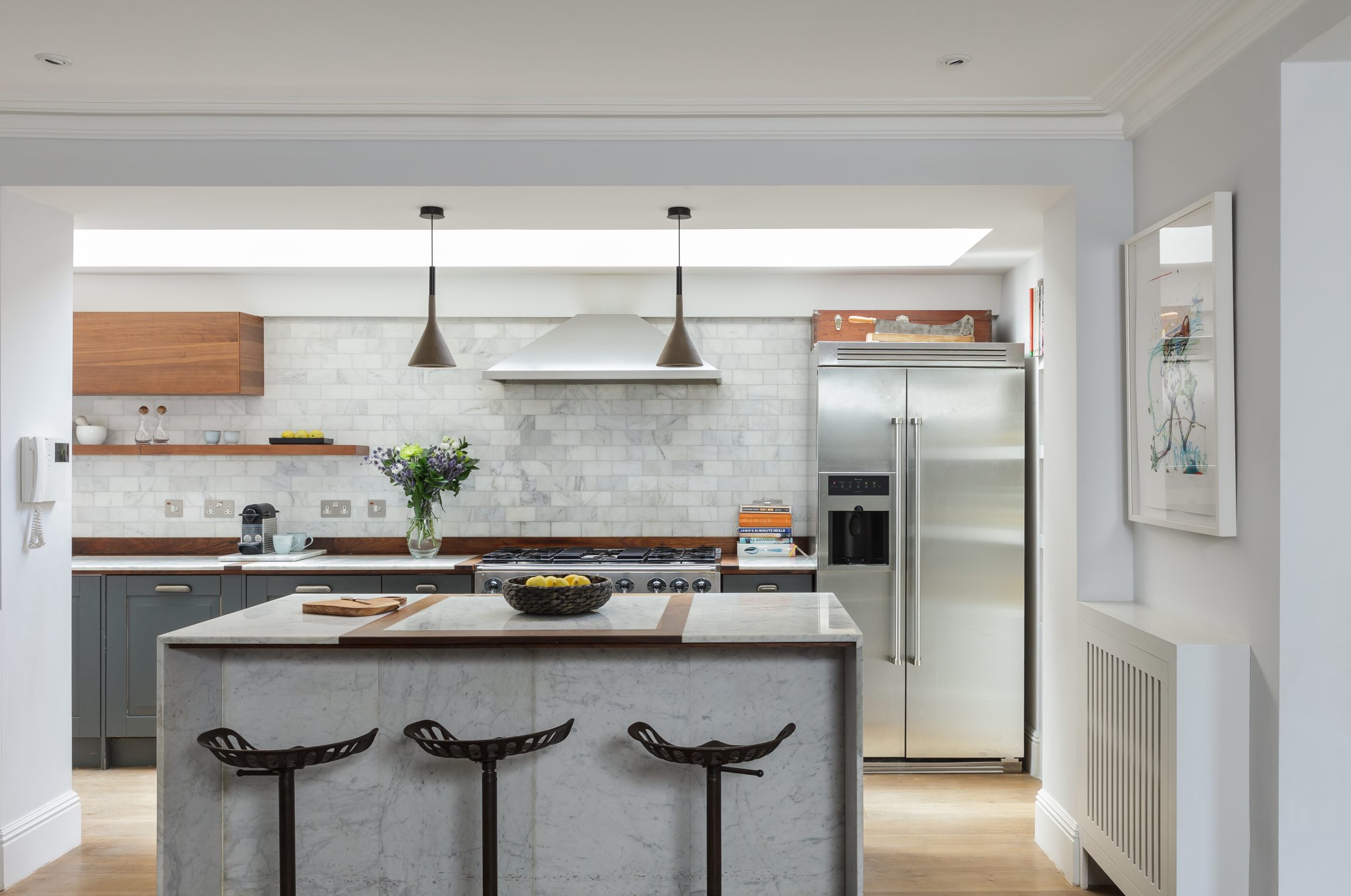
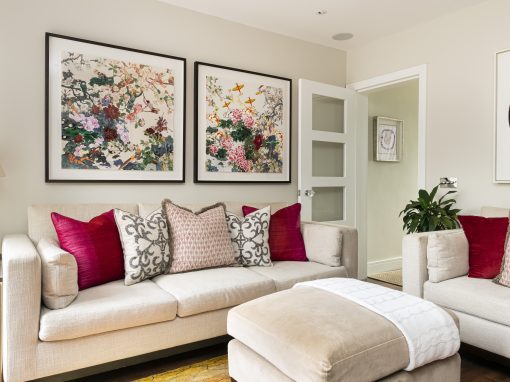
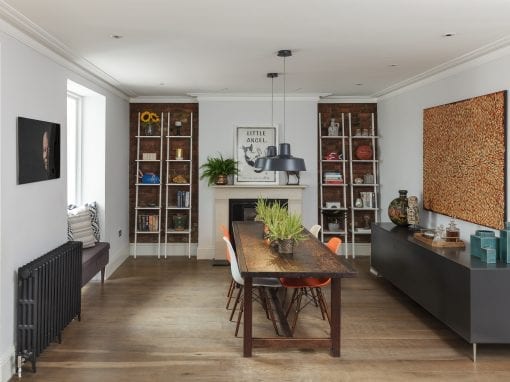
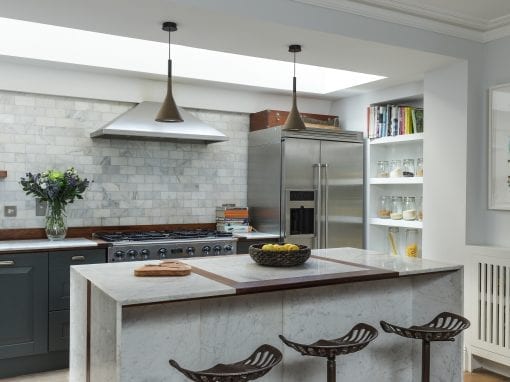
Belsize Park | Basement Kitchen
Before Casey & Fox
Before I started Casey & Fox, I had already spent several years working in architecture and design-led environments, and looking back, that experience shaped me far more than I realised at the time.
I worked in architectural administration at Molyneux Kerr Architects, a practice focused on historical buildings of heritage importance. It was a brilliant grounding. It taught me that good design is never just about how something looks. It is also about context, care, constraints, detail, and understanding what already exists before you start changing it.
After that, I moved to KPF, where I worked on the Abu Dhabi Airport project for several years. That was a very different world altogether, but equally formative. At our peak, we had around 75 architects and 22 consultant companies involved. As the architectural firm project managing the whole thing, we were essentially the gatekeeper and central information hub for all deliverables going to the client in the Middle East.
It was big, complicated, fast-moving and exacting. You had to be organised. You had to be calm. You had to keep information flowing clearly. And you had to understand that no matter how creative a project is, if the communication and coordination are poor, things start to wobble very quickly.
That side of my background matters because although interior design is often seen as the prettier, softer end of the industry, my own route into it was shaped just as much by structure, process and organisation as it was by creativity.
How it started
Alongside that industry experience, I trained in interior design at KLC School of Design in Chelsea, which gave me a strong creative and technical foundation. It taught me how to think spatially, how to communicate ideas properly, how to solve design problems, and how to look beyond surface decoration. It gave me structure, discipline and confidence.
After that, I interned with several interior design companies in London, and I learnt something fairly quickly. Most interior design studios march to the beat of their own drum. They are not nearly as black and white in the way they run as architecture firms tend to be.
That was interesting, but I also realised that I need process and structure for my own sanity.
I also knew I was tired of being at the mercy of how other people were living their lives and, in turn, running their businesses. If I wanted to be making the decisions, setting the standards and shaping the process, then I needed to start and run my own company.
Casey & Fox began life in slightly different form, as many young businesses do, before evolving into the company I run today.
What no one really tells you, though, is that when you start a design business, you are not just becoming a designer.
You are also becoming head of finance, operations, logistics, admin, marketing, sales, contracts, project coordination, client relations, and occasionally something not far off a therapist.
In the early days, I was doing what I suspect many young interior designers do. Learning on the hoof. Working things out as I went. Saying yes more often than I should. Trying to be accommodating. Wanting to prove myself. And slowly realising that there is a very fine line between being helpful and completely undervaluing your own time.
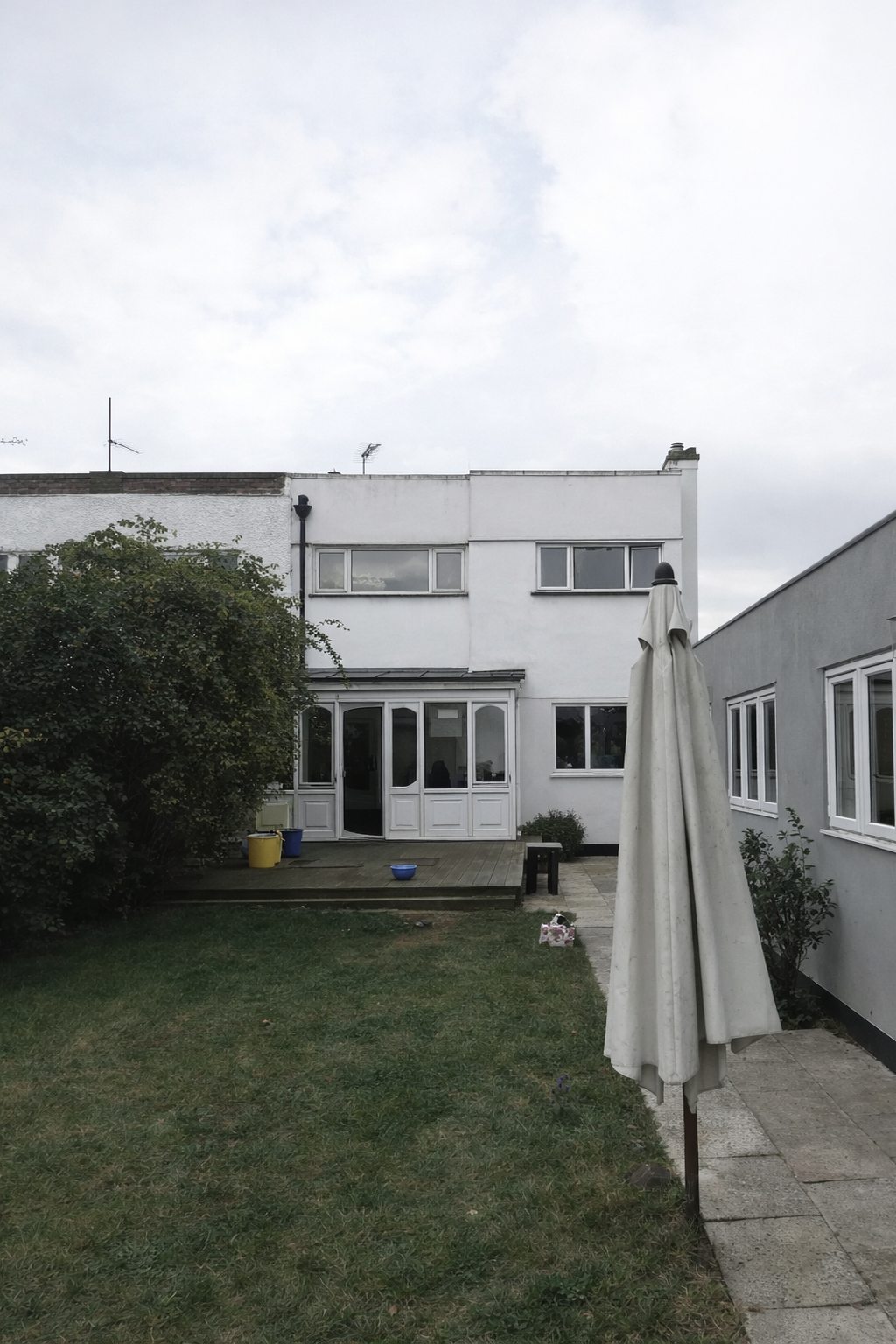
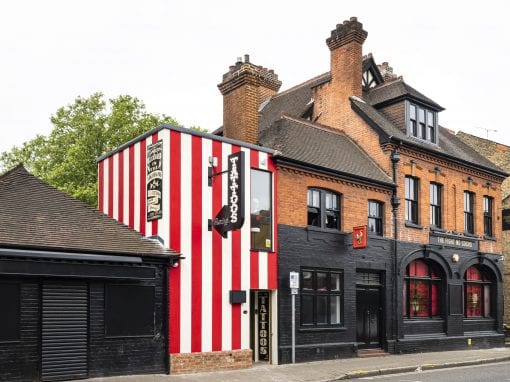
Kingston Art Deco Home : Before
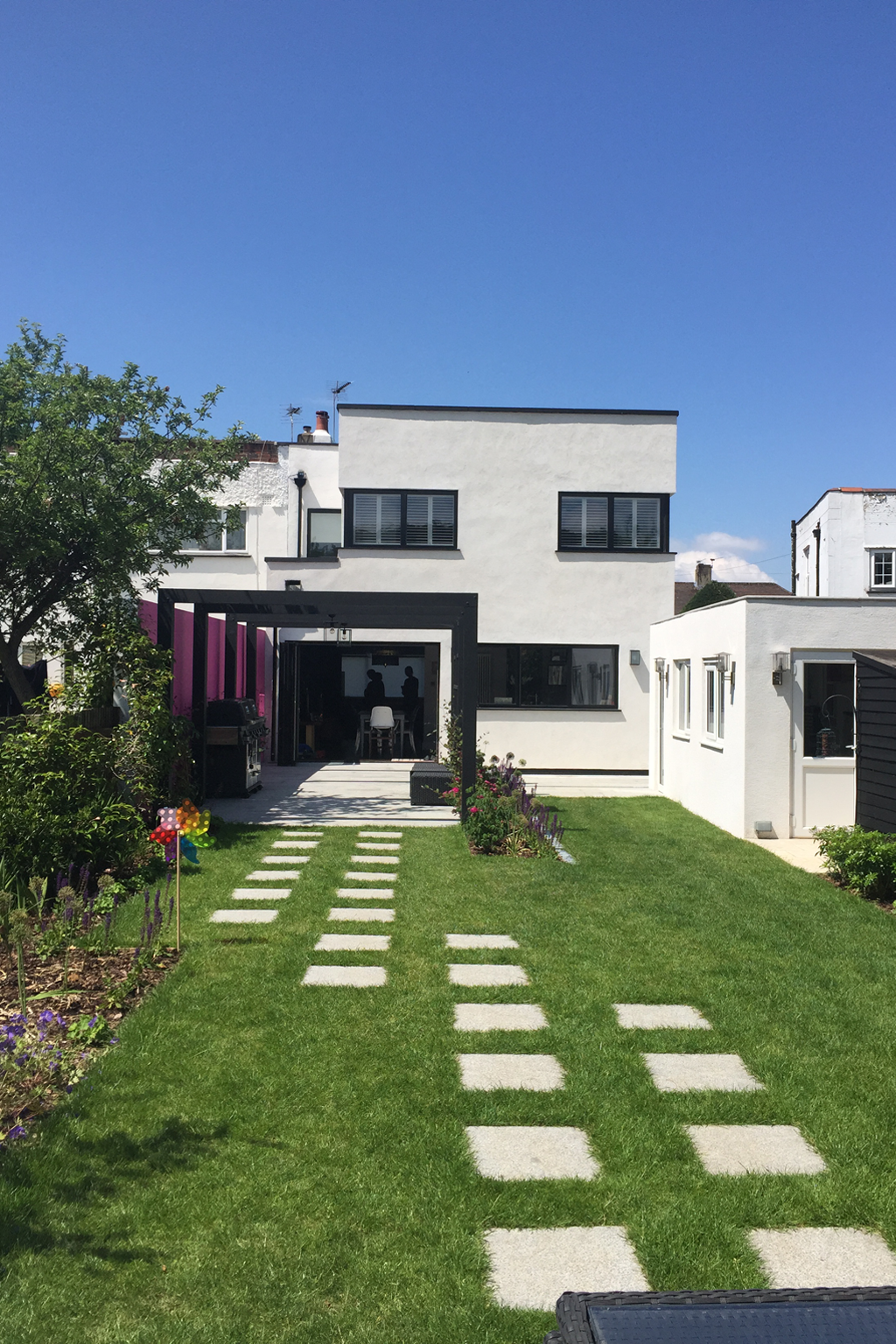
Kingston Art Deco Home : After Rear 2 story extension
One of the hardest lessons? Charging properly
This was probably the biggest one.
In the early years, I really struggled to charge clients properly. I think a lot of new designers go through that phase. There is a kind of imposter syndrome that creeps in when you are still building confidence and still wondering whether people will really pay properly for what you know.
They should.
But it takes time to understand that you are not charging for a few hours here and there. You are charging for your training, your eye, your judgement, your instinct, your experience, your ability to solve problems, your supplier knowledge, your technical understanding, and your ability to spot issues before they become expensive mistakes.
That is the bit many clients do not always see at first. And if you do not value it properly, they will not either.
Looking back, I can see I should have put a firmer value on my expertise much earlier.
No one warns you how important marketing is
Another thing no one really sat me down and explained was how seriously marketing needs to be taken.
Not as an afterthought.
Not as something you do if you happen to have a spare afternoon.
And not as some fluffy extra once the “real work” is done.
It is real work… and it’s ongoing!
When Casey & Fox started, Instagram did not exist in the way it does now. Much of my work came from networking and word of mouth, and I am hugely grateful for that, because both have played an enormous role in growing the business. But I do wish I had understood earlier that marketing deserves the same seriousness as finance, operations and delivery.
You cannot just sit quietly and hope the right people magically find you.
You have to communicate clearly what you do, who you are for, what makes your approach different, and why someone should trust you with their home and their money. You have to keep showing up. You have to stay visible. And you have to adapt as things change.
I also wish I had had the opportunity, and frankly the finances, to study business alongside interior design. Creative training is essential, of course it is, but no one quite tells you how much of running a business has nothing to do with choosing paint colours.
Running a business means wearing far too many hats
There is this idea that creative businesses are all instinct, inspiration and lovely moodboards.
In reality, there are a lot of spreadsheets.
There are schedules. Budgets. Timelines. Supplier issues. Delivery delays. Snagging lists. Contracts. Scope changes. Payment chasing. Trade coordination. Client expectations. Endless communication. Problem solving. More admin than anyone would knowingly sign up for.
And then there is project management, which is really a whole job in itself.
That means managing people as much as process. It means setting expectations clearly from the outset. It means keeping communication consistent with clients, trades, contractors and suppliers. It means staying calm when others are flapping. And it means understanding that trust on a project is not built through one grand gesture. It is built through clarity, follow-through, and steady communication over time.
And then on top of all that, you still need to have creative energy left in the tank.
A client might see a beautifully put-together room with panelling and wallpaper working perfectly together, art on the walls softly lit by picture lights, a sitting area that feels relaxed and welcoming, and perhaps some gloriously quirky antique in the corner demanding attention. What they do not always see is the huge amount of research, discussion, thinking, planning, organisation, logistics, communication and contingency planning sitting behind that final result.
That invisible side of the work is every bit as important as the visible side.
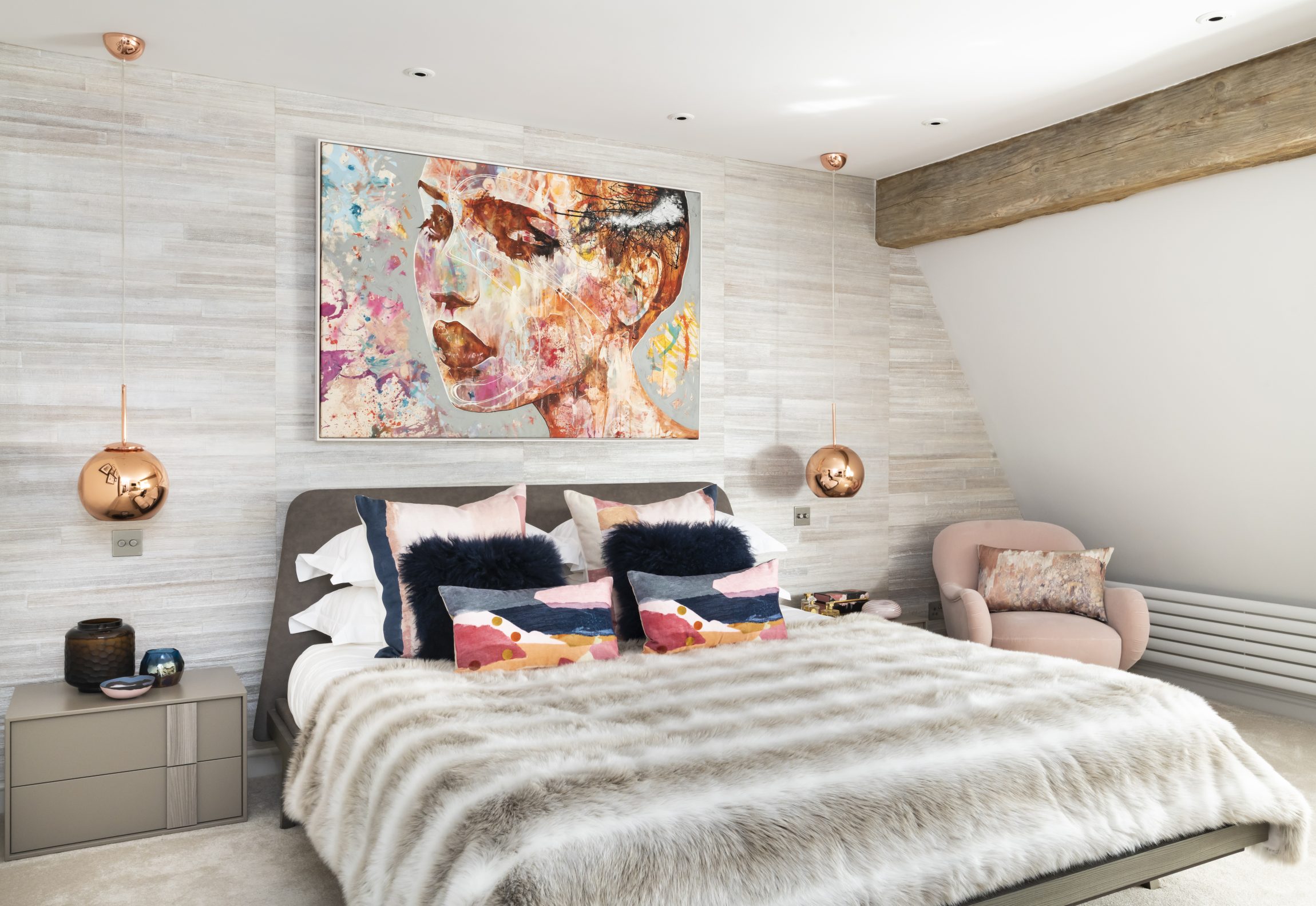
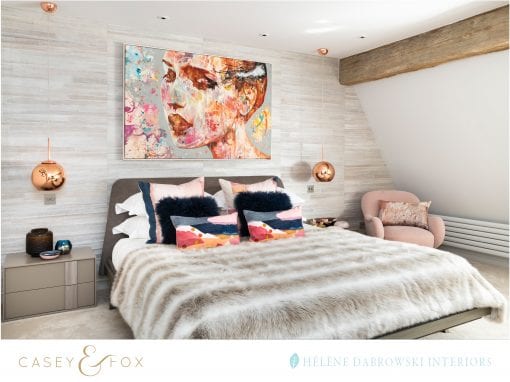
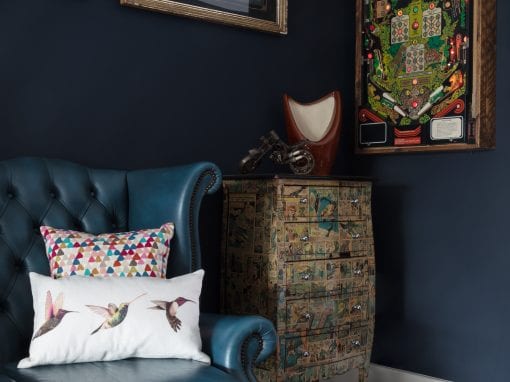
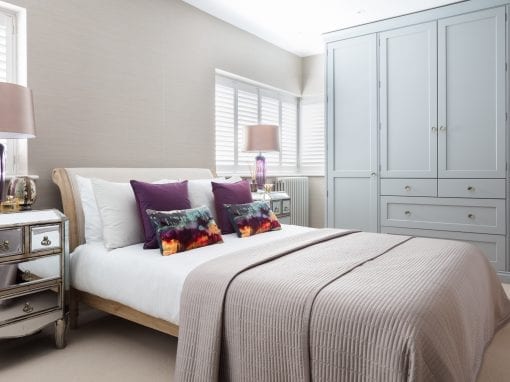
Oxted | Master Bedroom
I wish I had trusted my instincts sooner
This one is harder to write, but it is true.
I wish I had learnt earlier to trust my instincts about which clients to steer clear of.
Not every project is the right fit. Not every enquiry should become a job. And not every client who likes your work is necessarily someone you should work with.
Good design work depends on trust, clarity, mutual respect and a shared understanding of how the process works. Trust often comes with time, but before that, there has to be respect for the profession and a genuine value placed on what we do. If that is missing, the cracks usually show fairly quickly.
One of my favourite memories was during a tender process for a two-storey extension. I had narrowed down the builders and invited each one to site to meet with the client and me. A number of the male builders kept directing their answers to my male client rather than to me, even though I was the one leading the design and managing the project. Eventually, the client said, “There is no point directing your answers at me, I’m just the money. Siobhan is in charge.”
I felt properly supported in that moment.
Not just because he backed me, although that certainly helped, but because he understood the role properly and made it clear in the room. That kind of respect matters more than people realise.
What has surprised me most
I think one of the biggest surprises has been how much running a business is really about adaptation.
Homeowners’ needs have changed. The way people look for design help has changed. Budgets have changed. Timelines have changed. Technology has changed. Family life has changed. And like many business owners, my own personal circumstances have changed too.
That is part of why I have diversified into online consultations.
It was not some random add-on. It came from seeing how people actually live now. Not everyone needs, or wants, a full design service from the outset. Sometimes they need focused advice on one room, one decision, or one stage of a refurb that has become overwhelming. Sometimes they need someone experienced to step in, cut through the noise, and help them avoid an expensive mistake.
At the same time, my own life has needed to become more adaptable too, particularly with caring responsibilities for an elderly parent. So the move into online consultations has been shaped by both sides of life, what clients need, and what I need my business to be able to do.
Services like the Design Hotline and the Build Survival Session have come directly from that. They are flexible, practical, and rooted in the same experience and design thinking that sit behind my larger bespoke projects.
What I am focusing on now
These days, I’d rather keep my focus closer to home. There are so many Arts & Crafts period homes and other interesting projects right here in South London, and that feels like the right direction for me for the moment.
Alongside that, my new online consultations have become an important part of the business too. They offer a more flexible way for homeowners to access expert design input, whether they are stuck on a room, overwhelmed mid-refurb, or simply need experienced eyes on a problem before it becomes an expensive mistake.
So yes, I am still very much interested in larger bespoke projects, particularly in South London areas such as Sanderstead, Dulwich, Banstead, Beckenham and Bromley. But I am equally pleased to have created a way of helping people who are not looking for, or not quite ready for, a full design service.
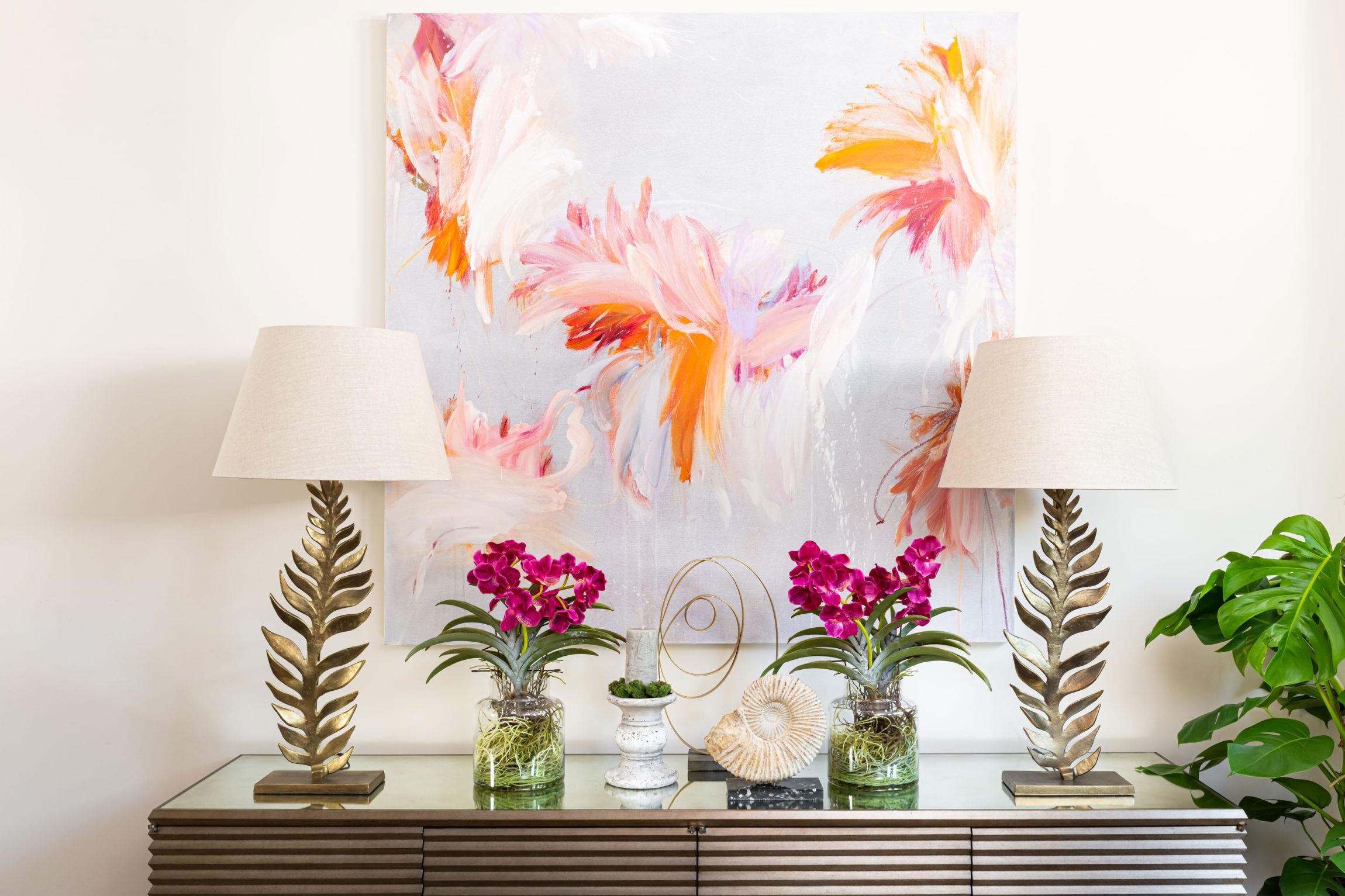
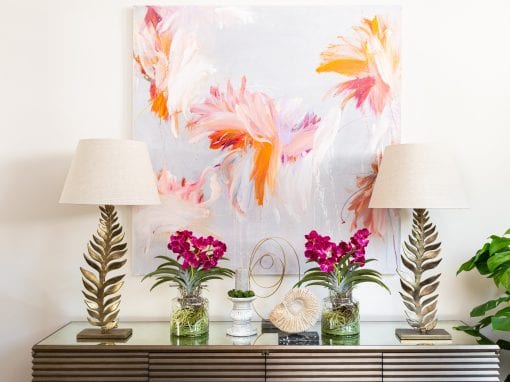
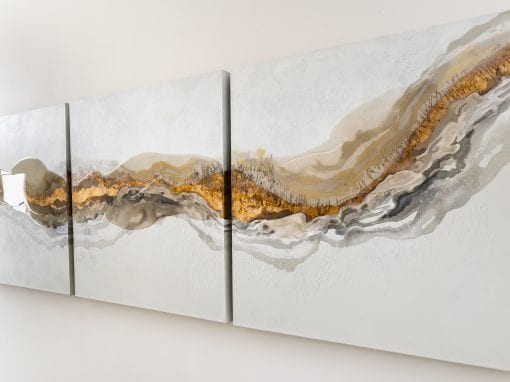
Wandsworth | Bespoke Art Commission
What 14 years means to me
Honestly, it means resilience.
Because keeping a business going for 14 years is no small thing. Especially in a world where small businesses are constantly being asked to do more, absorb more, adapt faster, and somehow keep smiling through it all.
Casey & Fox has changed over the years, as it should have done. But the core of it has remained the same. A belief that homes should not just look good, but feel right. That design should support real life. That colour, light, layout, texture and art all matter. And that a home should bring you joy.
That still matters to me now just as much as it did when I first started.
And after 14 years, I can honestly say I am still excited about what comes next.
A little birthday offer
To celebrate 14 years of Casey & Fox, I’m offering
14% off your first online consultation
when it is booked and paid for
before midnight 30 April 2026.
The consultation itself does not need to take place in April.
It can be booked for any date up to 90 days from the date of booking.
Project Galleries